
Return on Investment (ROI) has historically been the primary measure for business choices, reflecting the value obtained in relation to resources used.
In security and safety, it means investing time, money and resources into the right security solutions to mitigate security and safety risks every day. Demonstrating through data and other information how that investment contributes to a safer work environment is key to securing future funding.
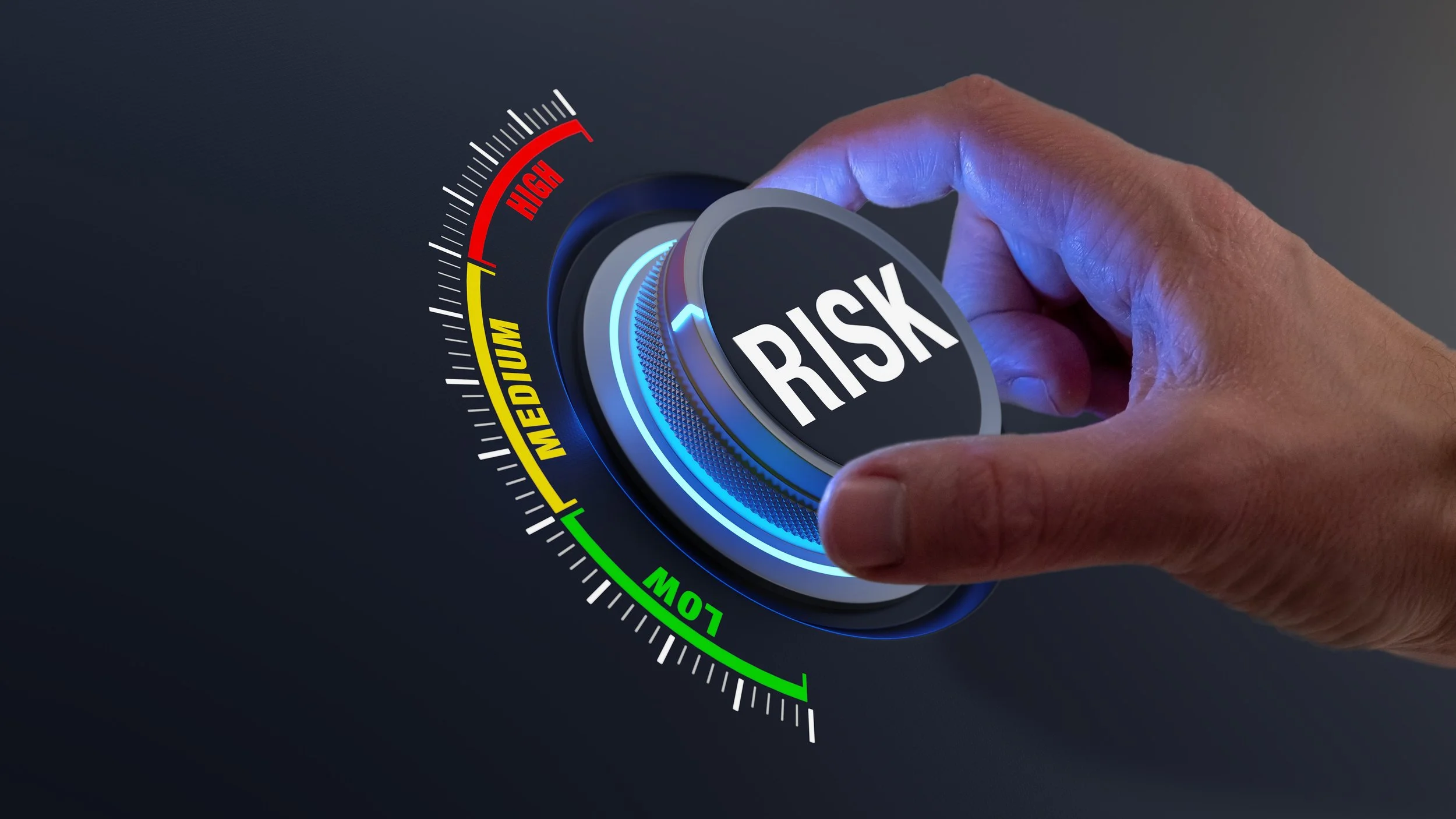
However, today’s security teams should consider a new type of ROI, one that is already being discussed in other industries: the Risk of Inaction. It refers to playing it safe, by simply leaning on established strategies and not knowing or acting upon all opportunities for improvement. Choosing not to act can diminish a security team’s worth due to missed chances and open it up to safety risks.
Audio and ROI
Audio should be an Action, not an Inaction, and it should be included in every security solution. Here’s why.
As humans, sound is something that we have instinctively responded to since birth and it’s an important part of our lives.
Imagine attending a music concert and not being able to hear it. Sound is everywhere, and we need it in our lives. We often hear something before we see it: a loud noise or voice, a door slamming, a gunshot, or breaking glass. Sounds trigger a response to act: to yell for help, to help someone else, to get away from the situation, or to dial 911.
Most enterprise security teams today have a vast amount of technology such as IP video surveillance and access control. Yet, if they don’t have audio, they are missing a key technology to completely understand the whole situation and respond effectively.
The Benefits of Audio

There are many benefits of integrating audio and intelligent communications within security solutions.
First is the quality of the response. A security guard who is protecting a facility late at night will likely see someone approaching the entrance for access, but he also needs to hear him to decide the course of action. Does he escalate the situation, calling for backup and for first responders’ response, or does he allow the individual access to the building because he works there and is authorized to enter?
Second is improved situational awareness. Listening to live audio from the scene helps to get more details, such as languages spoken, names said, or orders given, which is valuable information for first responders to be fully prepared with their response. Adding an IP speaker to the security mix means that security teams can also have a two-way conversation to potentially de-escalate the situation.
Third is to minimize false alarms. Audio can provide real-time confirmation on whether the alarm is valid or not, which provides cost savings in saved resources and improved response times.
Last, audio has reach. Consider a facility perimeter such as an airport, a utility or a manufacturing warehouse. IP speakers placed at the perimeter offer two-way communications, and they operate in all conditions. Security teams can see who is trying to enter the perimeter by using video surveillance and then use audio to determine why they are there or direct them to leave.
A New ROI
Sometimes we don’t know what we are missing until someone points it out to us.
That applies to security systems. A system that incorporates clear audio via intercoms and IP speakers must be one of them. There’s no need to have a Risk of Inaction in a security organization. Ensuring that all security teams can hear, be heard, and be understood in any environment will contribute to a successful ROI.